Brimbank Bin Hire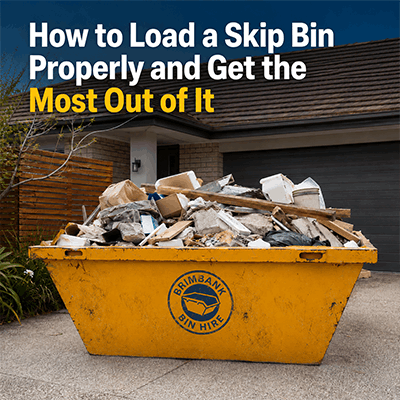
By Brimbank Bin Hire - June 2026
How to Load a Skip Bin Properly
Hiring a skip bin is one of the easiest ways to clean up after a renovation, garden project, garage clear out, moving house, or building job. Once the bin arrives, many people simply start throwing rubbish in and hope for the best. The problem is that a skip bin can fill up much faster than expected when items are loaded poorly.
Learning how to load a skip bin properly helps you make better use of the space you have paid for. It can also reduce the chance of overfilling, unsafe loads, extra charges, or needing a second bin. With a little planning before you start, you can fit more waste in the bin and keep the job running smoothly.
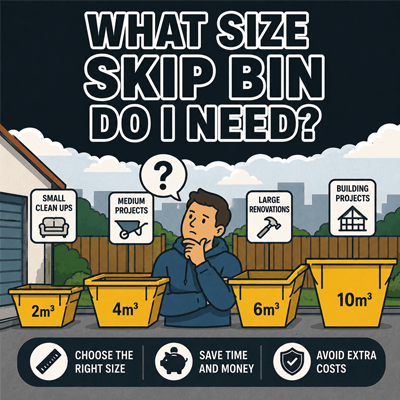
Choose the Right Skip Bin Size Before You Start
Getting the most out of your skip bin starts before the bin is delivered. Choosing the correct size is important because a bin that is too small can quickly become frustrating, while a bin that is much larger than needed may cost more than necessary.
Think about the type of waste you are removing, not just the amount. Light bulky waste, such as old furniture, cardboard, timber offcuts, and general household rubbish, can take up a lot of room even if it is not very heavy. Dense waste, such as soil, bricks, concrete, tiles, and rubble, may reach weight limits before the bin looks full.
If you are unsure, it is usually better to ask us for advice. Explain what you are throwing out and roughly how much there is. We can usually recommend a practical size based on similar jobs.
Sort Your Waste Before Loading the Bin
Before you start loading, take a few minutes to sort your waste into rough groups. This makes the job easier and helps you load the bin in a more organised way.
Heavy and flat items should usually go in first. Bulky items can be broken down or placed in later to fill gaps. Small loose rubbish is often useful near the end because it can settle into empty spaces between larger items.
Sorting your waste also helps you avoid placing the wrong materials in the bin. Items such as asbestos, chemicals, paint, gas bottles, batteries, tyres, food waste, and liquids may not be accepted in standard skip bins. Rules can vary depending on the bin type and local disposal requirements, so it is worth checking with us before loading anything unusual.
Place Heavy Items at the Bottom of the Skip Bin
The best way to start loading a skip bin is with the heaviest and flattest materials at the bottom. This creates a stable base and stops lighter items from being crushed unevenly later.
For renovation and building clean ups, this may include timber, plasterboard, tiles, bricks, concrete pieces, or metal. For household clean ups, it may include old shelving, broken furniture, flat panels, or heavier boxed items.
Keeping heavy items low in the bin also improves safety. A skip bin with too much weight sitting high can become harder to transport safely. A stable, evenly loaded bin is better for our driver, our truck, and your site.
Break Down Bulky Items to Save Space
Bulky items are one of the main reasons skip bins fill up too quickly. Furniture, cardboard boxes, garden branches, cabinets, shelving, and timber frames can take up far more space than they need to if placed in whole.
Where possible, break large items down before placing them in the bin. Flat pack furniture should be dismantled. Cardboard boxes should be flattened. Long branches can be cut down. Doors, panels, and timber lengths can often be stacked neatly against the side or laid flat.
This simple step can make a big difference. A few minutes spent breaking items down can save a large amount of bin space and may help you avoid ordering a bigger bin.
Fill Gaps as You Load the Skip Bin
A well loaded skip bin should have as few empty spaces as possible. Instead of placing items randomly, think of the bin like a large puzzle. Flat materials can line the base. Smaller items can fill gaps between larger pieces. Loose waste can be used to pack around awkward shapes.
Try not to create large air pockets. For example, placing a chair or table in the bin without turning it, breaking it down, or packing around it can waste a lot of room. The same applies to boxes, tubs, buckets, and crates. Empty containers should be crushed or filled with smaller rubbish where suitable.
The goal is not to force unsafe amounts of waste into the bin. It is simply to use the available space properly.
Keep the Load Level With the Rim
One of the most important rules when loading a skip bin is to keep the waste level with the top edge of the bin. Skip bins should not be filled above the rim. Overfilling a skip bin past its rim is unsafe, illegal to transport, and can result in collection refusal.
Items sticking out above the bin can fall during transport or create a hazard on the road. Even if the waste seems secure while sitting in your driveway, it may shift once our truck lifts the bin.
If your bin is getting close to full, avoid building a mound in the centre. Instead, spread the waste evenly and keep the surface as flat as possible. This makes collection easier and reduces the risk of extra charges or delays.
Load the Skip Bin Safely
Loading a skip bin properly is not only about saving space. It is also about safety. Heavy lifting, sharp materials, awkward items, and unstable piles can all cause injuries if the job is rushed.
Use sensible lifting methods and avoid carrying loads that are too heavy. Wear gloves when handling timber, metal, broken tiles, glass, or garden waste. Be careful around nails, screws, sharp edges, and splintered materials.
For larger bins with doors, open the door and walk heavier items in where possible. This is often safer than trying to lift everything over the side. Once the heavy materials are in place, lighter waste can be added from above if needed.
Avoid Mixing Restricted Waste Into the Bin
Not all rubbish can go into a standard skip bin. Restricted materials can create safety, environmental, and disposal problems. If the wrong items are placed in the bin, they may need to be removed before collection, or extra disposal fees may apply.
Common problem items include asbestos, wet paint, chemicals, fuel, oil, gas bottles, batteries, tyres, mattresses, food waste, and hazardous materials. Some of these items require special handling or must be taken to specific disposal facilities.
If you are cleaning out a garage, shed, workshop, or older property, check questionable items before placing them in the bin. It is much easier to deal with restricted waste separately than to remove it after the bin is already full.
Plan Your Loading Order for Better Value
The best results come from having a simple plan before you start. Place the bin in a convenient location, keep access clear, sort your waste, load heavy items first, break down bulky materials, fill gaps as you go, and keep everything below the rim.
A skip bin is a practical and cost effective way to manage rubbish, but the value depends on how well the space is used. Poor loading can waste room and create avoidable problems. Careful loading helps you fit more in, improves safety, and makes collection easier for everyone.
Whether you are clearing out a home, renovating a bathroom, cleaning up a garden, or managing building waste, loading your skip bin properly can save time, money, and hassle. A little organisation at the start can make the whole clean up much easier.